

Once, during a leadership role, I was reported for wearing a hat at a staff meeting. Not professional, they said. The upside of that incident was the interesting opportunity it  provided me to reflect on some people’s norms and expectations regarding corporate attire or so-called professional appearance at work. The truth of the matter is, I have always found expression, meaning and expansion through my choice of dress, shoe, hair, face, and all manner of “self presentation.” So I did not feel chastened by their criticism, because I did then, and still do now, don the occasional black-suit outfit when I see the sense of it, but in a general fashion –pun intended –I think the idea of imposing, whether explicitly or tacitly, some code or rule of formal wear in office situations, pointless. I find little meaning in “dress codes” developed by HR, ostensibly to herd the staff into a culture of professionalism, credibility, solemnity, task orientation and other such outdated notions of productivity and efficiency. Pre-Covid, such cultures were the status quo, conventional, expected. But how can this still make sense today when we have all been perfectly productive, courteous, customer-oriented, efficient, in one word, “professional”, working from home, in our pyjamas?
A couple of illustrations for my argument come in the form of remarks made to me by fellow HR specialists and senior managers, complaining that one aspect of the “skills mismatch” in industry these days is about the poor dress habits and the unrealistic demands for flexibility and for work-life balance of those entering the workforce. Attitude, my colleagues say, was the young generation’s problem. And, at a conference on employment, a most hostile sortie was made by a panelist against educational institutions that were, in his view, failing to provide the kind of work-ready talent that industry wanted. I pressed to understand the nature of the complaint. The gentlemen finally spoke of poor soft skills, bad manners, and unrealistic demands of those freshly joining the workforce (“they want to be managers as soon as they join!”; “they can’t even speak proper French!”; “they know nothing of good manners!”). I feel dismayed, because this sort of take from human resource and other managers speaks volumes about the huge gap between many employers and their workers, and we may assume that the managers are mostly from a generation older than the people they are managing. Call them what you like, Gen X, Gen Y, Gen Z, Alpha, Beta, Gamma, any dangerous stereotype, the fact remains that the bulk of the employed today in Mauritius are between 20 and 50 years of age, with a smaller group ‘preparing’ for retirement, suggesting that three generations, with their respective life views and values, are having to share the same work environment. The challenges within multi-generational workforces have been richly researched and many useful insights are available to help understand and manage such workforces. One of them is that, if managers are of a particular attitude, they will be looking for like-minded people around them, and be critical of those who are different. “We” versus “they” mentality, as it were. Gen-X types in management, desiring a mirror of their own philosophy in their staff, would tend to be critical of people who lack débrouillardise, competence, who do not meet deadlines and who are not punctual.
A majority of those around the ages of 30 and 40 for their part, want flexibility in simply everything. They want options, development and evolution, sustainability and ethics. They seem to relentlessly seek purpose and meaning, and desire work-life harmony, and this may be seen as too demanding by their elders. The youngest, only recently joining the workforce, in their early twenties, want to be given responsibility as soon as possible, both for making their own decisions and developing ideas; they seek both a good financial package as well as good ‘human atmosphere’ from work, in the form of informal, friendly and trusting relationships with supervisors and team members. Their innovative mindset makes them unafraid to challenge the status quo, but are they understood and valued for these attributes? Actually, the post-Covid period has been an eye-opening opportunity for examining and beginning to understand the phenomenon of this quest for meaning as expressed by large numbers of employed individuals. We have heard of the Great Resignation, Great Attrition, Great Re-negotiation, concepts explaining to us the consequence of employers’ refusal to embrace the changing needs, wants and expectations of workers. There seems to be a great divide between what the workforce wants and what workplaces have to offer.
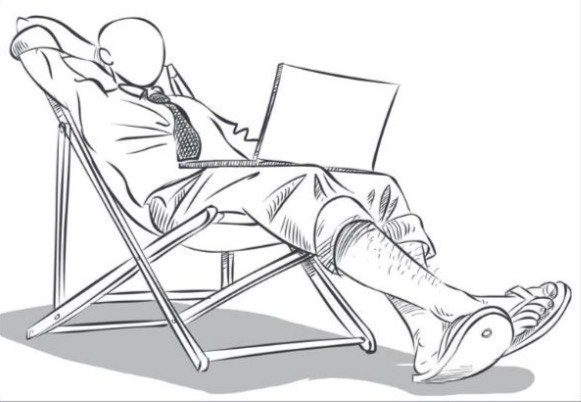
Covid has led more and more individuals to re-evaluate what they want from a job—and from life—which has created and will continue to create a large pool of workers who would gladly move to experiences, leadership styles, work cultures and environments which offer them better alignment with their life orientations. Indeed, it seems as though there may be a structural gap in labour supply because of high attrition, as dissatisfied workers hop from company to company looking for more meaningful, fulfilling experiences, or striking out on their own to be their own bosses, leaving gaping holes where vacancies cannot be filled, and managers burning themselves out as they struggle to handle instability and frustration within their diminished teams. And so what of bad manners, poor soft skills, or bad attire? For Pete’s sake, use Disney’s methods if you must, to standardise smiles, dress, and behaviours, but by all means make the effort of finding the true motivating factors of people, and even if they happen to be different from yours, do your best to accommodate them as much as you can, because across age groups, people tend to want something different from “work.”
Uniformity and standardisation are out, diversity and plurality are in.
Diversity at the workplace is an old concept that came with its load of implications when women joined the workforce in large numbers and when the world discovered gender discrimination. Well, managers of today could to learn a thing or two about managing the diversity presented by multiple genders, ages and personalities in the workforce. Granted, in a competitive business environment, knowing how to behave and present oneself for business situations like meeting external stakeholders or potential clients is good professional practice. I agree that the conventional, formal attire and demeanour still have their place in the business world. However, to my friends in HR: if there is a bad apple, deal with it, but please refrain from meaningless, blanket approaches that stifle individual expression, creativity and wellbeing by concocting endless codes and rules to standardise and robotise people through dress codes, clocking in and out and using outdated, dehumanising production methods as if you had been hired by Frederick Taylor* himself! In my own team, we have adopted the “business casual” guideline, our leadership style is facilitative, and we help and guide each other fine-tune what is acceptable for the occasion, without strict codes or rules. Even jeans can be dressed up…
Our quest for meaning and purpose
The quest for meaning and purpose is a powerful motivator. Young people are teaching us lessons about harmony and integration, and about making choices, in the time that we have between our birth and our death, about how we want to live, and the potential we want to unleash, as well as what, where and how, and WHY we work.
The time has come for individuals as well as organisations to re-examine the way they do things and take conscious steps towards protecting and nurturing meaning and purpose. People who feel like they are involved in something greater than themselves are happier, more productive, and more engaged than those who are not. Shola Richards, best-selling author of “Making Work Work”, inspires leaders to start a movement that will banish soul-killing workplaces, put meaning back into work, and enhance workers’ happiness by first understanding what they want from life and how the workplace can help them find alignment and harmony with their pursuits and values. Individuals who now want to move forward in their lives with positivity, are those who have realised that they lack meaning in the way they are living and working, and they want to change things. From their work or business, they want to see what levers are there that will help them progress toward self-actualisation.
It is not an old world, it is a whole new one emerging, and more and more of us want to discover and live our life in accordance with our inner or higher purpose, and to increase our levels of courage, resilience, wellbeing and happiness. In seeking meaning, we have begun to ask ourselves whether, and why, we seem to have given up our childhood dreams, whether we are truly passionate and excited about anything, what energises us and makes our heart sing, and what structures and environments are in harmony with our innermost needs and desires.
Well, after all that, to this day I still think the hat was both stylish and professional.
- Father of ‘Scientific Management’
