

Bhawna Atmaram
Of small fry vs leviathans
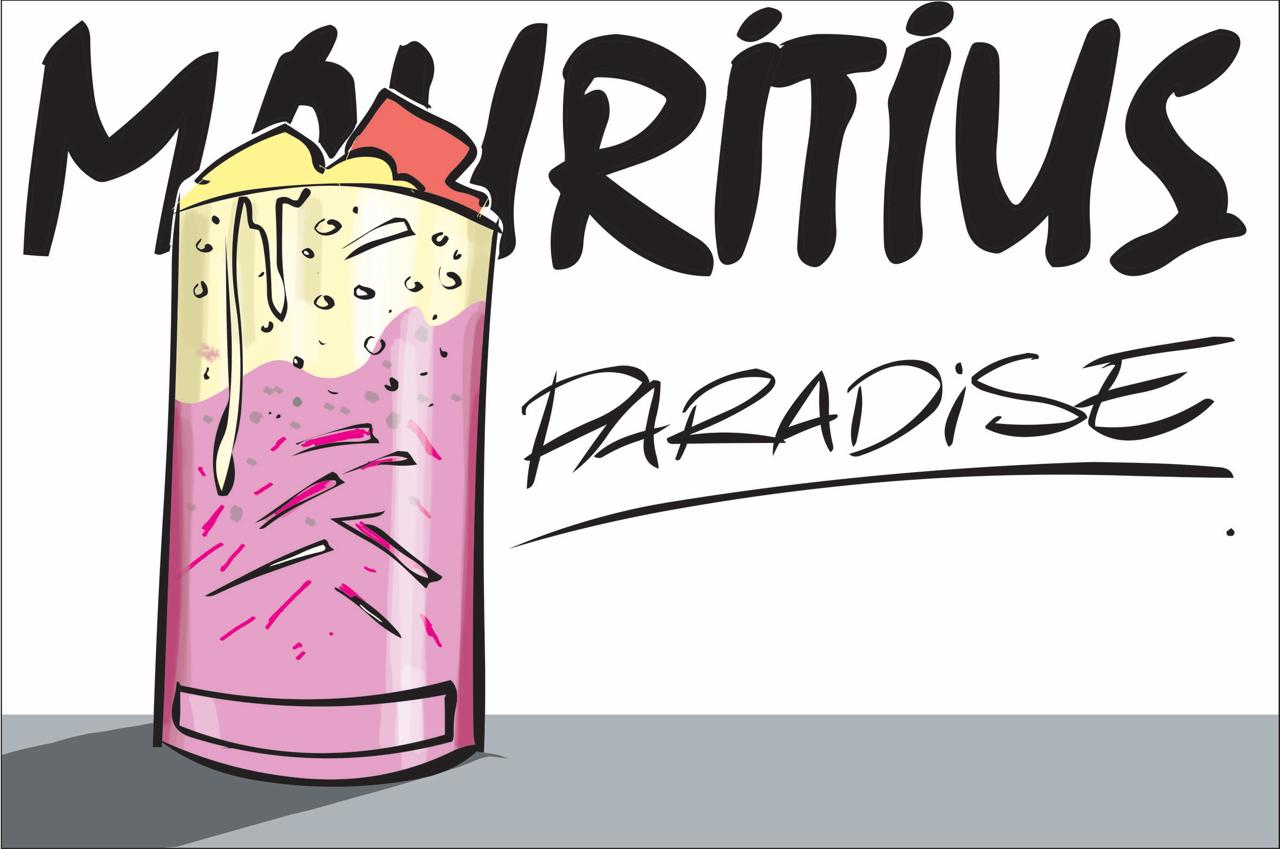
In the blistering heat of our paradise, where the sun scorches our throats and minds and the scent of overripe mangoes fills the bazaar, I am desperately on the hunt for some alouda glase. A new kind of bargain has flooded the stalls. No. It isn’t the price of tomatoes. Decked in my trademark Savat Dodo, I walk past the zombies with the same practised indifference we use to haggle over a bunch of coriander. It is the Mauritian way after all. To see the needles glinting in the gutters like fallen silver and simply step over them, ensuring our pace remains steady towards the alouda glase that I long for.
The irony is as thick as the condensed milk in that chilled drink. Our governors sing hymns of ‘zero tolerance’ from their air-conditioned heights, while the roots of this synthetic poison choke every yard, from north to south, east to west. We are told the borders are secure, yet the white powder flows with far more consistency than our water supply. Mothers weep tears of blood, households crumble like houses of cards, and the youth are sacrificed at the altar of a high they simply cannot escape.
But why, one might ask while walking through the haunting streets, are the big sharks never caught in the net? Perhaps it is because the net is woven with holes specifically designed for their size. We catch the small fry; the desperate, the broken, the visible. Meanwhile, the leviathans of the murky trade glide effortlessly through the deep, murky waters of convenience. To catch a shark, one must be willing to disturb the entire ocean, and it seems our leaders prefer the obscurity of an ostrich’s view of having their heads buried in the sand. After all, in an island of sunshine, who wants to admit that the shadows have grown long enough to swallow us whole?
Gutter trash complacency
Anyway, I am a person on a mission. However, the road is still long. As the scent of the alouda momentarily fades, it is swiftly replaced by the pungent odour of progress: rotting matter and sun-baked plastic. One must admire the sheer commitment to the aesthetic of filth that defines our tropical paradise. We navigate these obstacle courses of discarded plastic bottles and takeaway containers effortlessly, while our illustrious ministers, guardians of the environment from the comfort of leather-bound chairs, issue press releases about a ‘Green Dodoland’. It is a charming fiction, isn’t it? A fairy tale we tell ourselves while the drains, plugged with the remnants of our own irresponsibility, prepare their revenge.
The stagnant water in the gutter reflects into my irises. We act surprised when the clouds darken and the cyclonic season arrives, as if Nature hasn’t been warning us for decades. We wait for the inevitable flooding with a mix of fatalism and feigned shock. When the human tragedies unfold and the floods reclaim our living rooms, we will point fingers at ‘limited preparedness’ and ‘unforeseen circumstances,’ conveniently forgetting the mattress or refrigerator we saw floating in the canal three months ago.
Our governors, meanwhile, remain experts at the art of the ribbon-cutting ceremony. However, they remain strangely absent when the mud starts to rise. Is it lack of will, or simply that pollution is too unglamorous an agenda? We treat our island like a disposable napkin, wiping our hands of the responsibility and tossing it into the street. We have mastered the art of littering our own future, one irresponsible toss at a time. But then, I have to keep walking. The bazaar is not too far away.
Symbols of modern progress
The stroll continues although it is clear that the ‘paradise’ promised in the tourist brochures seems to have been heavily edited for content. My Savat Dodo are now caked in the grit of a nation’s neglect. I step around the homeless, who sleep with a quiet dignity. Suddenly, the path is blocked, not by a festive parade, but by the smoke of burning tyres. It is the traditional celebration of the thirsty; a protest for water on an island surrounded by the sea. I think of the dry taps in our kitchens and grimace.
As the smoke clears, the local fauna appears: mangy, mistreated stray dogs dodging kicks, mirroring the vulnerability of the woman I see further down the road. Her scream pierces the humid air as she slaps a man. That is a rare, raw response to the disgusting sport of catcalling and inappropriate touching. We boast of modern progress, yet the safety of half our population remains an afterthought, tucked away behind the bravado of a culture that mistakes obscenity for the norm.
Nearby, a huddle of civil servants debates the latest Payment’s a Real Bother (PRB) report with the fervour of the doomed. We collect degrees like postage stamps, only to find that in this economy, a Master’s degree buys you the same treatment as an earthworm; annoying yet essential for the equilibrium of the universe. With purchasing power evaporating faster than the water in our reservoirs, the festive lights suddenly look dim. We are told to prepare for a ‘Happy New Year,’ but as the cost of living soars, our dignity sinks. One wonders if the only thing ‘happy’ about it will be the hollow words of the greeting itself. But I procrastinate. Let’s keep walking.
Daily Wrecks
The holy grail is finally within reach. There he stands, the alouda seller, a beacon of sugary hope amidst the chaos. I sprint with the desperation of a marathon runner. I no longer care about the grit on my Savat Dodo or the crumbling infrastructure around me. I take a gulp of alouda glase so deep that it immerses me in a sea of chilled milk and basil seeds. But the universe, possessing a wicked sense of humour, intervenes. A deafening roar of twisting metal and shattering glass erupts behind me. Alas! My expensive sugar rush is unceremoniously sprayed across the pavement
Another accident. Another isolated incident that happens three times a day. On our roads, the speed limit is merely a suggestion for the bold. We have normalised the carnage, treating the loss of life as a minor inconvenience to the afternoon commute. While we wait for an ambulance that must navigate the gridlock caused by our collective impatience, the true Mauritian spirit emerges. My fellow citizens are kneeling in the glass to comfort the broken. What a nation of paradoxical caregivers we are! Experts at stitching wounds we insist on reopening every time we get behind a steering wheel.
I have seen enough. As I retreat, a smoke belching bus engulfs me in a toxic cloud. I cough, my throat now parched and coated in diesel soot instead of my sweet alouda glase. Home beckons. I walk away, leaving the wreckage behind, wondering if we will ever stop being a country that is perpetually under construction but somehow falling apart.
Justice: A lost luxury
My quest for a simple alouda glase has transformed into a discovery of concealed filth. Seeking a reprieve from the gridlock, I take a detour past the Financial Corruption Continuity (FCC), that grand monument to our collective hope or collective amnesia. The choice is yours. My reverie is shattered by the shrill blast of an ambulance. In a final act of poetic justice, it douses me in a spray of roadside mud. It certainly isn’t rushing to the overcrowded corridors of a regional hospital, mind you. No, it is speeding towards the sanctuary of a private clinic, the preferred holding cell for our island’s elite.
In Mauritius, the path to justice often takes a convenient detour through a private ward with an ensuite bathroom. While the common man rots in a darkened cell, the big sharks, bloated on the gluttony of corruption, suddenly develop mysterious, life-threatening ailments the moment a warrant is signed. These welcoming clinics serve as the ultimate loophole; a five-star purgatory where the air is cool and the accountability is non-existent. We watch this theatrical display of illness’, cynically smirking, knowing full well that a thick wallet is the best preventative medicine against a prison sentence.
As I stand there, dripping with mud and disillusionment, I wonder if the scales of justice are actually blind or just cataracts-ridden from looking the other way. Can I dare to wish for a Banane 2026 where fairness isn’t a mere buzzword? Where convictions are based on evidence rather than the quality of one’s legal counsel or the depth of one’s pockets? I don’t know. As I limp home, empty-handed and sore, I suspect that in our paradise, justice, much like my lost alouda glase, is a luxury that many crave, but only a select few get to swallow.

