
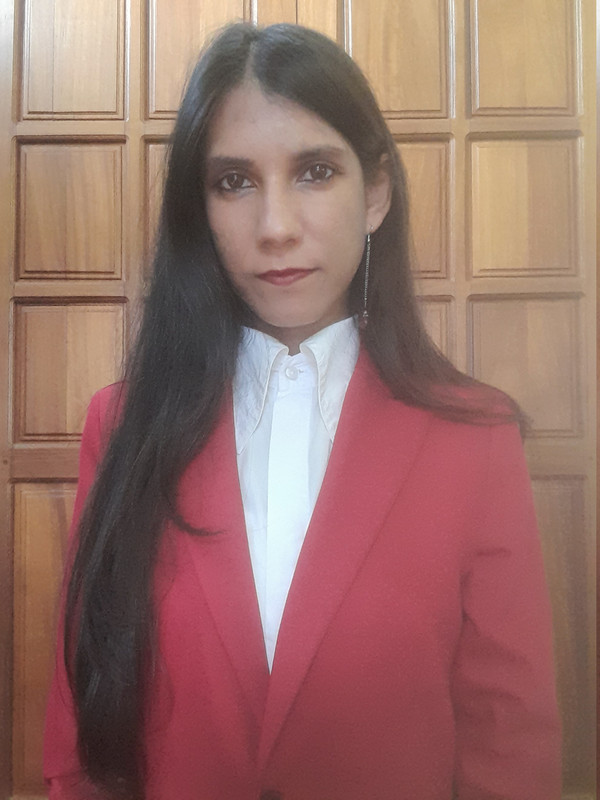
Sexual slaves. Household slaves. Breeders. Punchbags. And many other inhuman & degrading treatments. While these were the norm in a past not so far away, it is no longer acceptable to treat women like this. Laws were enacted against violence and exploitation. Sadly, society still celebrates women rights by often erasing the rights part, and replacing it with big advertisements of household appliances and lingerie, ironically maintaining this subservience. This occasion represents rights of women that were fought for, often in blood, such as recognised as a person, right to vote, consent in marriage, divorce, holding a bank account, work, drive, doing sports, wearing trousers, etc, and rights that are still being fervently advocated for. Emancipation, not submission.
To understand what women still lack today as rights, we need to analyse the social, political, legal, and religious aspects of society and how it includes and affects women as a human being. Socially, we often raise girls to be obedient, pretty, quiet, encourage them to cook, clean, and take care of younger siblings, while we encourage boys to be loud, assertive, to have education, career, and money. Regarding politics, we have only two women ministers out of 25. Women are also the minority in various positions of power, such as directors, politicians, and doctors. According to Statistics Mauritius for 2024, only 10.9% of working women were heads of business and women in the most senior positions in government services were only 34.9%. Religion is no exception: women are not seen in leadership positions such as maulana/imam/pandit/priest/etc, and while men can lead prayers for both genders, women are often restricted to lead only women.
Legally, urgent reforms are needed to assert women’s rights:
- Abortion on request. A woman needs to have control over her body. There is no birth control that delivers 100% guarantee against pregnancy. No woman should be forced to deliver a baby, change her education, career, and life to accommodate an unplanned baby. More and more countries are allowing women to get an abortion, should she wish to, as long as it does not endanger her.
- Street Harassment. For so many years, this has been dismissed as trivial and women encouraged to opt for preventive measures so as not to endanger themselves. The Government has a duty to protect its women, and in that light, enact legislation to criminalise street harassment. No one deserves to feel unsafe in the street and other public places.
- Prostitution. We need to implement the Nordic Model system which criminalizes prostitution for purchasers and sellers only and not the prostitute herself. This aims to reduce the demand, recognise prostitutes as victims of exploitation and trafficking, and encourage them to report violence at police stations without fear of being arrested.
- Sexual violence. An introduction of a national register for sex offenders.
- Domestic violence. An introduction of a national domestic violence register.
- More occupation orders in cases of domestic violence. Instead of the woman enduring domestic violence having to leave the house, often with the children, and seek shelter, it is the man committing the violence that needs to be excluded from the house.
- Mandatory equal number of women and men in parliament, political parties, and board of directors.
- Criminalisation of victim-shaming in domestic violence, rape, sexual assaults, prostitution, and femicide. Victim shaming often deters women to report, is humiliating to the victim, and encourages hating on women..
- Abolition the non-application of section 4(2) of the Equal Opportunities Act that indirectly protects/perpetuates men as religious leaders.
This is a non-exhaustive list that requires urgent Government attention and which would make a significant difference on the status of women in the country.
Countries such as Iceland, Finland, Norway, and Sweden are ones where women have better rights, and they set an example for the rest of the world by showing that this is neither difficult nor impossible to achieve. The World Economic Forum’s Global Gender Gap report ranks Mauritius 111th out of 148 countries for the year 2025, showing a decline from 2024. Women comprise more than 50% of our population, therefore rendering changes a priority. Failing that, women’s rights day will continue fading into a grotesque women’s day merely celebrating the very stereotypes that we fight to abolish.
Shaheen Cheeroo
Barrister-at-Law
