
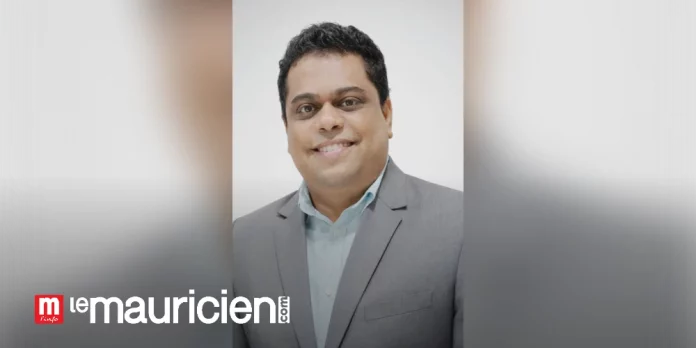
Ashveen Kutowaroo
Founder and policy advocate JP Narayan Centre for Sustainable Development and World Peace
The pursuit of world peace is often discussed in the language of diplomacy, international relations, political stability and economic cooperation. Governments negotiate, international institutions formulate policies, and world leaders speak of building a more peaceful and sustainable future. Yet one of the foundations of peace is sometimes overlooked: the family, the environment in which a child grows, the values instilled during formative years and the way individuals learn to understand themselves and relate to others.
A society cannot realistically aspire to lasting peace without investing in its children. The foundations of responsible citizenship, tolerance, emotional maturity, respect for diversity and social responsibility are laid long before an individual enters a university, assumes a professional position or participates in public life. They begin at home.
It is through this understanding that the JP Narayan Centre for Sustainable Development and World Peace has initiated a programme focusing on positive parenting, child development coaching and personal empowerment. The initiative forms part of the Centre’s wider commitment to sustainable development, with particular emphasis on United Nations Sustainable Development Goal 4, which seeks to ensure inclusive and equitable quality education and promote lifelong learning opportunities for all.
Education begins long before the classroom
When discussing access to education, attention is generally directed towards schools, universities, infrastructure, teachers, curriculum and examination results. These are important, but education is not confined to formal institutions. A child’s first learning environment is the home, and the first educators are parents and caregivers.
The way children are spoken to, encouraged, corrected and supported can influence their confidence, emotional development and attitude towards learning. A child who grows up where questions are welcomed, mistakes are treated as opportunities to learn and individual abilities are recognised is more likely to develop a healthy relationship with education.
Mauritius has undergone considerable social and economic transformation. Both parents increasingly participate in the workforce, household responsibilities are changing, and families are navigating the pressures of modern living. Technology has introduced new dimensions to childhood, while academic competition and expectations surrounding educational achievement continue to influence family life.
For many parents, the challenge is not simply providing access to education. It is supporting a child’s overall development while balancing professional obligations, financial commitments and family responsibilities. A child may perform exceptionally well academically yet struggle with confidence, communication, emotional regulation or relationships. Conversely, a child who does not fit conventional academic expectations may possess creativity, practical intelligence or other abilities that deserve recognition.
A collaboration bringing practical experience
to Mauritius
Within this context, the JP Narayan Centre has established a collaboration with Dr Aditya Tendle and Dr Aditi Tendle of Thane, Mumbai, India. Both are collaborators of the Centre and are contributing to a programme designed to introduce practical approaches to parenting, child development and personal effectiveness in Mauritius.
During their recent visit, Dr Aditya and Dr Aditi Tendle undertook several engagements, including recorded programmes with the Mauritius Broadcasting Corporation and participation in radio programmes. These appearances introduced some of the themes to a wider audience and encouraged public reflection on parenting, personal development and emotional well-being.
The programme also included meetings with corporate leaders and industry captains, recognising that children’s development and family well-being are not matters that concern parents alone. Employers, institutions and the wider business community also have a role to play.
An important engagement on the agenda was a meeting with the President of the Republic of Mauritius, His Excellency Mr Dharam Gokhool. This placed the initiative within a broader national conversation about education, human development and investment in future generations.
The visit was the beginning of a longer-term engagement, not an isolated series of activities. The preliminary groundwork has been undertaken. The next phase will involve workshops, seminars, coaching programmes and practical tools that participants can apply in everyday life.
Beyond examination results: understanding how children develop
One proposed area is student brain analysis and activation. It raises an important question: are we giving children opportunities to understand and develop their individual learning abilities, or measuring their potential primarily through examination results?
Children differ in the ways they concentrate, remember information, approach problems and respond to challenges. Some demonstrate strong verbal abilities, while others may be more comfortable with visual, practical or creative activities. Understanding these differences can help parents and teachers adopt appropriate learning strategies.
The objective should not be to label children or create another form of academic competition. It should be to encourage a more informed understanding of learning, concentration, memory, creativity and problem-solving. Any assessment or brain-related analysis must be interpreted responsibly and based on scientifically appropriate methods. It should complement, not replace, recognised educational and professional assessments.
The well-being of parents matters too
The programme recognises that parents themselves need support. Parenting requires time, patience and emotional investment, yet parents are rarely given structured opportunities to reflect on their habits, stress levels and approaches to family life. Stress management, lifestyle management and self-management therefore form important components of the proposed engagement.
A parent overwhelmed by professional and domestic responsibilities may find it difficult to respond calmly to a child’s needs. Unhealthy lifestyle patterns, inadequate sleep and poor time management can also affect family interactions.
Participants will be encouraged to examine the relationship between nutrition, physical activity, rest, emotional well-being and personal effectiveness. These considerations influence how individuals function at home, at school and in the workplace.
Financial pressures, professional expectations and academic competition can create anxiety. Learning to recognise stress, regulate emotions and respond constructively to difficult situations can benefit adults and children alike.
Purpose, confidence and the empowerment of women
The programme also addresses life purpose, personal effectiveness and women’s empowerment. Young people are frequently asked what they wish to become, but less often encouraged to consider what kind of individuals they wish to be. A meaningful sense of purpose develops through self-awareness, exploration, encouragement and informed decisions.
Positive thinking, visualisation and goal-setting can provide useful motivational frameworks. However, aspirations must be accompanied by discipline, realistic planning and consistent action. The law of attraction, in this context, should be understood as a motivational concept, not a substitute for effort or a guarantee of success.
Women’s empowerment deserves particular attention. Women in Mauritius continue to balance professional ambitions with family commitments and caregiving expectations. Supporting women to develop confidence, establish healthy boundaries and pursue their aspirations is not simply a matter of individual achievement. It contributes to stronger families, more inclusive workplaces and a balanced society.
The programme will also introduce participants to Bach flower remedies, a complementary wellness approach traditionally associated with emotional balance. This subject requires responsible discussion. These remedies are not scientifically established treatments for medical or psychological conditions and should not replace professional healthcare, particularly for children.
From individual development to sustainable peace
SDG 4, Quality Education, is central to this vision. Its implementation is closely connected to SDG 3 on Good Health and Well-being, SDG 5 on Gender Equality, SDG 8 on Decent Work and Economic Growth, SDG 10 on Reduced Inequalities and SDG 16 on Peace, Justice and Strong Institutions.
Children who receive appropriate educational support are better equipped to participate in society. Families that understand emotional well-being can provide more supportive environments. Women with access to opportunities contribute more fully to economic and social development. Workplaces that value human well-being can help create healthier communities. These outcomes are interconnected.
World peace is not achieved simply through the absence of conflict between nations. It also requires individuals who can manage disagreements, respect differences, exercise empathy and resolve problems without hostility. Such qualities are developed through education, example and experience. If future generations are expected to build peaceful societies, we must create environments in which children learn respect, compassion, responsibility and self-discipline.
An initiative for families, institutions and the corporate community
The JP Narayan Centre intends to make the programme accessible through free public seminars and individual coaching opportunities. The seminars will give parents, students and members of the public an opportunity to understand the themes and engage with the visiting experts.
For those seeking more personalised guidance, individual coaching will also be available. Such sessions will attract a fee in the form of a donation to the JP Narayan Centre, helping support its wider objectives and future developmental initiatives.
The intention is not to commercialise parenting or suggest that good parenting can be purchased through coaching. It is to create opportunities to access knowledge, guidance and practical support while contributing towards a wider social mission. Further details about workshops, schedules and participation arrangements will be communicated in due course. The work has begun; the next stage is to translate the initial engagement into practical learning opportunities for Mauritian families and institutions.
Mauritius has invested considerably in education and human development. The next challenge is to ensure that education extends beyond academic qualifications and helps develop emotionally mature, socially responsible and confident individuals.
Perhaps we need to reconsider how we measure progress. A nation is not developed merely because its children pass examinations, its professionals occupy senior positions or its economy expands. Development must also be reflected in the quality of relationships, the dignity afforded to individuals, opportunities available to women and children, and the ability of communities to live together peacefully.
The JP Narayan Centre’s engagement with Dr Aditya and Dr Aditi Tendle is founded on this understanding. It seeks to connect the global aspiration of sustainable development with the everyday realities of Mauritian families.
Ultimately, the journey towards world peace cannot be delegated entirely to governments, diplomats or international organisations. It is a shared responsibility. It begins with a parent listening to a child, a teacher recognising an individual’s potential, an employer understanding family responsibilities and a society choosing to invest in its younger generation.
If we want a more peaceful world tomorrow, we must pay greater attention to how we raise
